Common Causes of Joint Pain and When It Needs Medical Attention
By Shri Datta Hospital • 1-Oct-2026

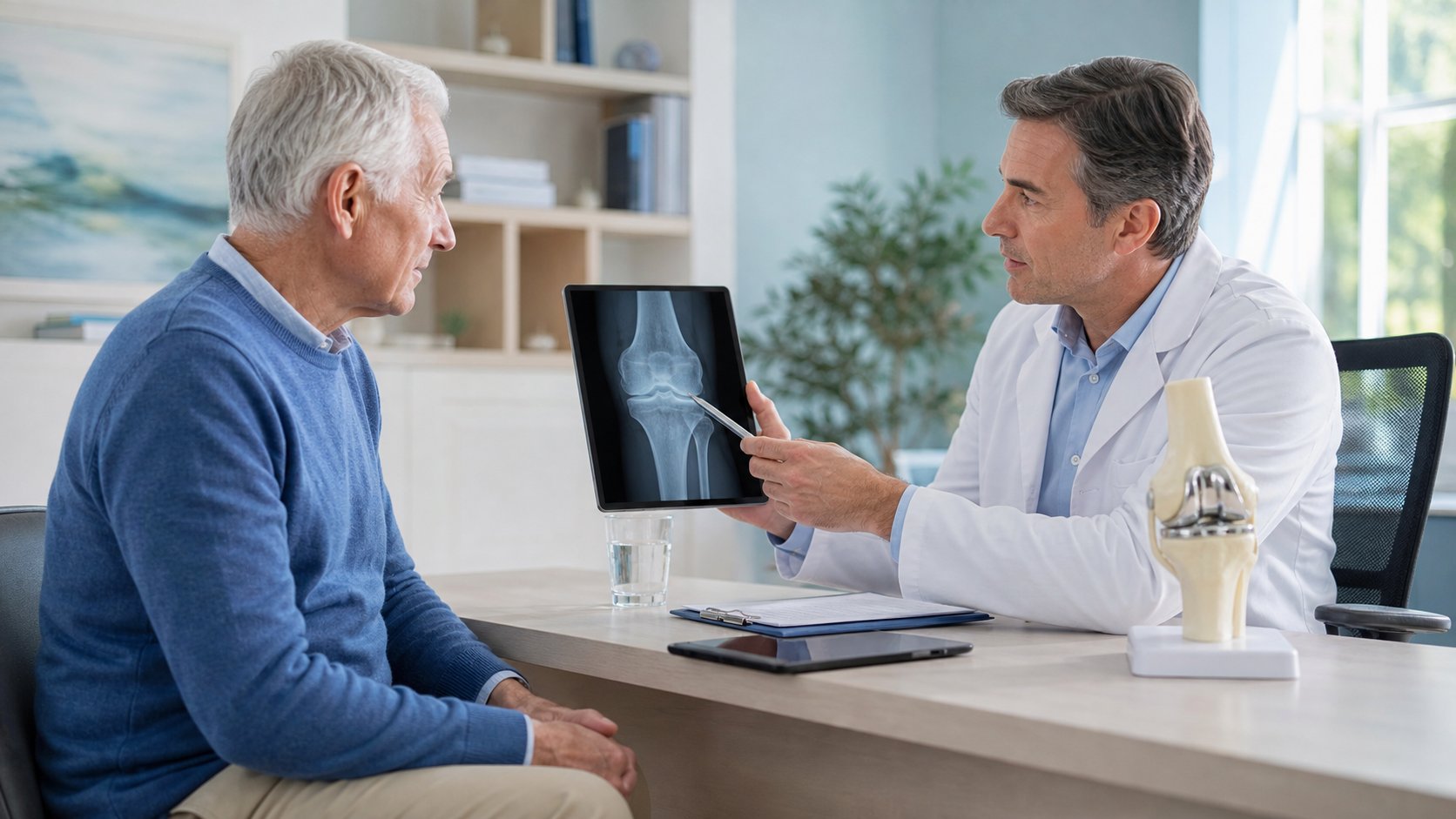
Introduction -
Joints allow different parts of the body
to move, bend, rotate, and bear weight. Because they are involved in almost
every physical activity, they can be affected by injuries, repetitive stress,
inflammation, age-related changes, and certain medical conditions. Joint pain may occur suddenly after a
fall, sports injury, awkward movement, or excessive physical activity. In other
cases, discomfort develops gradually and becomes more noticeable while walking,
climbing stairs, exercising, or performing routine tasks. Not every episode of joint pain indicates
a serious problem. However, pain that repeatedly returns, progressively
worsens, limits movement, affects sleep, or occurs along with significant
swelling or other symptoms deserves medical attention. Finding the cause rather than repeatedly
masking the discomfort can help guide appropriate treatment and rehabilitation. 1. Joint Injuries Can Cause Sudden Pain -
A sudden injury is one of the common
reasons for joint discomfort. A fall, twisting movement, sports-related
impact, or incorrect landing can affect the ligaments, muscles, tendons, or
other structures around a joint. Common injury-related problems include: ●
Sprains ●
Strains ●
Ligament injuries ●
Tendon injuries ●
Meniscus or cartilage injuries ●
Fractures around a joint Pain may be accompanied by swelling,
bruising, tenderness, weakness, or difficulty putting weight on the affected
area. For example, a person who twists their
knee while playing sports may initially assume that it is a minor sprain.
However, persistent instability or difficulty moving the knee may require
further assessment. 2. Osteoarthritis Can Develop Gradually -
Osteoarthritis is a common joint
condition associated with changes in the tissues within a joint. It frequently
affects weight-bearing areas such as the knees and hips, although other joints
can also be involved. Symptoms may include: ●
Joint pain during activity ●
Stiffness ●
Tenderness ●
Reduced movement ●
Swelling ●
Grating or crackling sensations Some people notice that their symptoms
become more troublesome while walking, climbing stairs, standing for long
periods, or performing other activities that place stress on the affected
joint. Age, previous joint injury, family
history, and excess weight are among factors that may increase the likelihood
of osteoarthritis. Persistent symptoms should be evaluated
rather than automatically being attributed to age. 3. Inflammatory Arthritis Can Affect More Than One Joint -
Joint pain is not always caused by
wear-related changes. Conditions such as rheumatoid arthritis
can cause pain, stiffness, and swelling in multiple joints. Symptoms may occur
on both sides of the body and can be particularly noticeable after periods of
inactivity. A person may experience: ●
Morning stiffness ●
Swollen joints ●
Tenderness ●
Difficulty moving affected joints ●
Pain in several joints ●
Reduced ability to perform
everyday activities When joint symptoms persist without an
obvious injury, professional assessment can help determine whether an
inflammatory condition or another problem may be involved. 4. Repetitive Activity Can Overload the Joint -
Joint discomfort does not always result
from one major injury. Repeated movements can gradually place
stress on the muscles, tendons, and structures surrounding a joint. This may
occur in people involved in sports, physically demanding work, repetitive
household activities, or exercises performed without adequate recovery. For example, repeatedly lifting heavy
objects, running long distances without appropriate progression, or performing
the same movement for extended periods may contribute to pain. The solution is not necessarily complete
inactivity. Depending on the cause, modifying activities and following an
appropriate rehabilitation programme may be more useful than simply avoiding
movement. 5. Gout Can Cause Sudden and Intense Joint Pain -
Gout is another possible cause of joint
discomfort. It can produce sudden, severe pain
accompanied by swelling and warmth, often affecting a single joint. The big toe
is a commonly affected area, although other joints can also be involved. Unlike gradual joint problems, gout
attacks may appear suddenly and can become extremely painful. A hot, swollen joint with intense pain
should not automatically be assumed to be gout. Several other conditions can
produce similar symptoms, so appropriate medical assessment is important. 6. Bursitis and Tendon Problems May Feel Like Joint Pain -
Sometimes the actual source of discomfort
is not the joint itself but a nearby structure. Bursae are small fluid-filled sacs that
help reduce friction around certain joints. Inflammation of these structures
can cause localized pain and swelling. Similarly, tendon problems may cause pain
around areas such as the shoulder, elbow, knee, or ankle. The discomfort may become more noticeable
during specific movements or activities. Because several conditions can produce
similar symptoms, identifying the exact source of pain is important before
beginning a treatment programme. Conclusion -Joint pain can arise from many different
causes. An injury, repetitive strain, osteoarthritis, inflammatory arthritis,
gout, bursitis, or problems involving nearby tendons can all produce discomfort
around a joint. Occasional discomfort may improve with
appropriate care, but recurring or worsening pain should not automatically be
considered a normal part of ageing. Persistent swelling, restricted movement,
difficulty walking, or pain that affects sleep and daily activities may require
professional assessment. Symptoms such as severe pain after an
injury, inability to bear weight, significant swelling and warmth, fever,
numbness, or visible deformity require prompt medical attention. Understanding the possible cause of joint pain is the first step toward choosing appropriate treatment. With timely evaluation and, when required, a structured rehabilitation programme, people can work toward improving movement and maintaining everyday function. |
Popular Posts
Common Causes of Joint Pain and When It Needs Medical AttentionBy Shri Datta Hospital • 1-Oct-2026 |